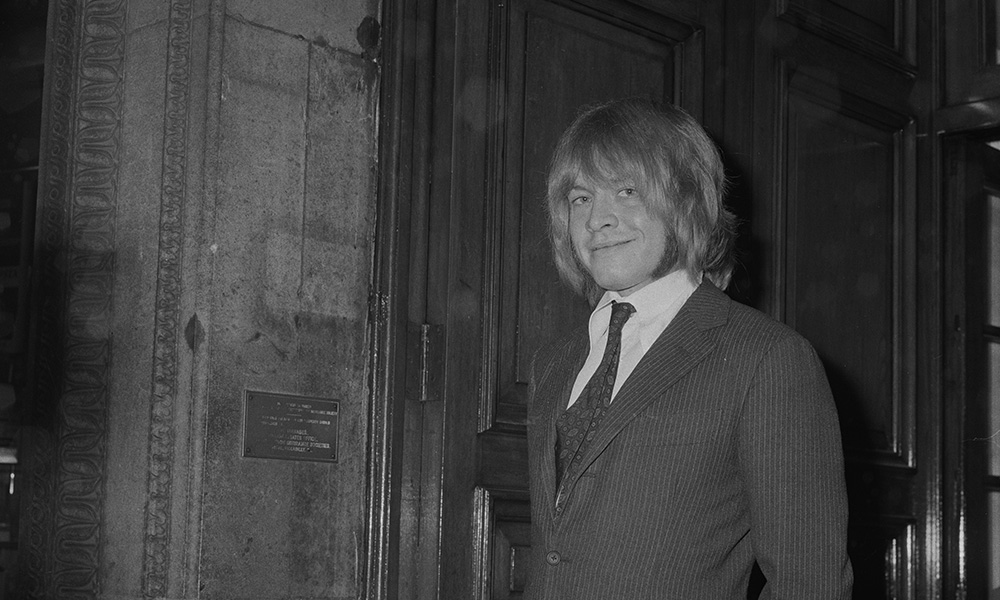
Ian McLagan, the quintessential keyboardist whose soulful touch graced the soundscapes of iconic bands like Small Faces and Faces, left an indelible mark on rock and roll history. Born in Hounslow, Middlesex, England, in May 1945, McLagan’s journey from a prodigious young musician to a revered sideman for rock legends is a testament to his talent and resilience. While his early career was fraught with financial challenges common to many musicians of his era, McLagan ultimately amassed a significant legacy, culminating in an estimated Ian McLagan net worth of $4 million at the time of his passing. This figure reflects not just his musical genius, but also a career spanning decades, marked by both creative triumphs and shrewd professional navigation.
The Genesis of a Keyboard Legend: From Small Faces to Stardom
McLagan’s musical journey began in the vibrant London scene of the early 1960s, a hotbed of innovation and emerging talent. His distinctive keyboard style quickly caught the attention of the burgeoning Mod scene, leading to his pivotal role in Small Faces. Joining the band in 1965, he brought a sophisticated yet raw energy to their sound, helping to define the psychedelic pop and R&B fusion that made them one of Britain's most exciting acts.
However, the early success of Small Faces came with significant financial complexities. As was tragically common for many bands of that era, the musicians often found themselves at the mercy of their management. McLagan, along with his bandmates, was reportedly paid a modest weekly wage of £20-£30, while their manager, Don Arden, collected all proceeds. A shocking revelation in 1997 confirmed that the band had received no royalties from their groundbreaking work, a stark reminder of the financial pitfalls artists faced. This initial lack of equitable compensation would undoubtedly have impacted McLagan's early financial accumulation.
Despite these contractual woes, Small Faces produced an impressive string of hits that cemented their place in rock history. These include:
- "Lazy Sunday"
- "All or Nothing"
- "Tin Soldier"
- "Itchycoo Park"
These tracks not only showcased McLagan’s integral contribution but also laid the foundation for a career that would eventually lead to a more comfortable financial standing. The band's critical acclaim and enduring influence were undeniable, earning them the Ivor Novello Outstanding Contribution to British Music "Lifetime Achievement" Award in 1996 and induction into the Rock and Roll Hall of Fame in 2012.
Evolving Sounds: From Faces to the Rolling Stones and Beyond
The musical landscape shifted in 1969, and so did the Small Faces. After Steve Marriott's departure, the remaining members regrouped, welcoming Rod Stewart and Ronnie Wood, and rebranding themselves as Faces. This new iteration brought a grittier, more blues-rock sound, yet McLagan’s distinctive keyboard work remained a crucial element, providing texture and soul to their raucous performances. The Faces continued to tour and record successfully until their split in 1975.
It was post-Faces that McLagan truly showcased his versatility and professionalism, becoming one of the most in-demand session musicians and sidemen in rock. His ability to seamlessly integrate into diverse musical styles made him a go-to choice for some of the biggest names in music. Notably, he frequently worked with The Rolling Stones as a sideman, touring extensively with them and contributing to their studio recordings. This steady, high-profile work would have been a significant factor in building his financial security, moving beyond the early royalty issues he faced with Small Faces.
His impressive list of collaborators reads like a who's who of music legends:
- Chuck Berry
- Bob Dylan
- Jackson Browne
- Bonnie Raitt
- Bruce Springsteen
- Billy Bragg
- Joe Cocker
- John Hiatt
- Patty Griffin
Each of these engagements represented not just artistic contributions but also professional fees, tour wages, and potentially residual income, all contributing to the accumulation of his overall Ian McLagan net worth. His ability to adapt and consistently deliver high-quality performances ensured a steady stream of work throughout his career.
The $4 Million Legacy: Royalties, Recognition, and Real Estate
Understanding an artist's net worth, especially someone like Ian McLagan who navigated the industry across several decades, requires looking beyond just upfront payments. The estimated $4 million fortune speaks to a culmination of various income streams, even in the face of early financial setbacks. While the Small Faces never received royalties for their classic hits, McLagan's later career would have been managed differently.
For one, session musician fees for artists of his caliber are substantial. Tours with acts like The Rolling Stones would involve significant salaries and per diems. Furthermore, McLagan continued to record and release his own solo material, which, while perhaps not generating massive sales, would have added to his income through album sales, streaming, and licensing. His compositions and contributions to other artists' tracks could have earned him performance and mechanical royalties over the years.
Awards like the Ivor Novello and the Rock and Roll Hall of Fame induction, while not directly financial, elevate an artist's profile, leading to increased demand for their services, higher fees, and renewed interest in their back catalog. These accolades underscore his enduring importance and marketability. Over time, property investments and other financial planning would also contribute to an individual's overall net worth.
Navigating the Music Business: Tips from McLagan’s Journey
Ian McLagan's career offers valuable insights for aspiring musicians on the complexities of the music industry and how to build a sustainable career and net worth. His story highlights several critical lessons:
- Diversify Your Skills and Income Streams: McLagan wasn't just a band member; he was a highly sought-after session and touring musician. Aspiring artists should develop multiple skills (e.g., songwriting, production, teaching) and pursue various avenues for income beyond just recording with one band.
- Understand Your Contracts: The early royalty issues faced by Small Faces are a cautionary tale. Always seek legal advice and thoroughly understand every clause in a contract, especially concerning royalties, publishing, and ownership rights. This is crucial for protecting your long-term financial interests.
- Build a Strong Professional Network: McLagan's extensive network led to work with numerous legends. Networking, maintaining good relationships, and being reliable are paramount for longevity in the industry.
- Embrace Longevity and Adaptability: The music industry constantly evolves. McLagan's ability to transition from Mod icon to blues-rock sideman and solo artist speaks to his adaptability and enduring passion for music. A long career often means adapting to new styles, technologies, and business models.
- Recognize the Value of Your Contributions: Even if early work doesn't yield immediate financial rewards, the artistic legacy can still pay dividends in the long run through recognition, future opportunities, and even retrospective royalty claims (as seen with other artists).
His journey is a powerful reminder that building a significant net worth in the music industry often requires decades of hard work, strategic decisions, and a profound understanding of both the art and the business.
Conclusion: The Enduring Legacy of a Keyboard Maestro
Ian McLagan’s $4 million net worth is a testament to a life dedicated to music, overcoming early financial injustices to forge a highly respected and financially stable career. From the Mod anthems of Small Faces to the raucous blues-rock of Faces and his invaluable contributions as a sideman for rock royalty, McLagan’s distinctive keyboard playing enriched countless recordings and live performances. His journey illustrates the often-turbulent path of a professional musician but also the potential for substantial reward when talent, perseverance, and professional acumen align. McLagan's legacy endures not just through his music but also as an example of a musician who, despite the industry's challenges, found success and left an indelible mark on the sound of rock and roll.
